

Rosedale's Premier Paver Patio Installation Experts

When you look into patio paver installation in Rosedale, the first thing you’ll notice is that no two yards here are alike.
You’ve got older pockets like Rosedale Farms where the ground has had 60–70 years to settle, and then you’ve got newer areas closer to Windlass Run where the soil is still young, loose, and shifting. Between that and our freeze–thaw swings every winter, building an outdoor paver patio here takes a different kind of prep than you’d use in most parts of Baltimore County.
That’s why relying on experienced patio paver contractors in Rosedale makes all the difference. Around here, the ground can trick you if you don’t know what you’re looking at.
Why Rosedale Yards Need a Different Kind of Patio Build
Rosedale’s neighborhoods are a mix of eras.
On one side, you’ve got long-established areas around Rosedale Farms with settled clay soils that barely move anymore.
On the other side, newer neighborhoods near Windlass Run sit on fill dirt placed during development—lighter soil that shifts more after heavy rain or when temperatures swing.
Because of this, patio paver installation in Rosedale depends heavily on reading the soil before the first scoop of dirt ever leaves the yard. Clay behaves differently from fill soil. Settled earth reacts differently than recently graded lots. If you build the same way in every yard, something is going to move, lean, or settle unevenly over time.
The Freeze–Thaw Cycle & How It Affects Pavers Here
Winters in Rosedale aren’t harsh compared to the Northeast, but they’re just unpredictable enough to cause problems if the base isn’t right.
Here’s what happens:
1. Ground moisture freezes and expands.
2. Pavers lift slightly—sometimes just a hair, sometimes more.
3. A warm day hits, the ice melts, and the ground settles again.
If your base is too thin or not compacted well, you’ll see edge lift, minor sinking, and joint separation. This is one of the main reasons homeowners search for patio paver installers near me every spring—things shift, and they want someone who knows how to fix it.
We build every patio with freeze–thaw cycles in mind, whether you’re near Pulaski Highway or tucked deeper into the older neighborhoods.
Old-Home Yards vs. New Development Lots — What We See Most
Rosedale gives us a little of everything.
Older Home Yards (Rosedale Farms & nearby streets)
These lots usually have:
• Settled clay soil
• Minimal ground movement
• Established drainage patterns
They’re stable, but older soil can be harder and denser to excavate. It takes different compaction pressure and a more methodical approach. The upside is, once a patio is built right on older soil, it tends to stay put for decades.
New Development Areas (Windlass Run & the surrounding new builds)
These newer lots often have:
• Fill dirt that wasn’t compacted deeply
• Extra settling after heavy storms
• Inconsistent moisture levels
In these areas, we adjust the depth of the base, reinforce it differently, and spend extra time compacting. If you skip that step, a patio in new construction will shift within a year or two.
This old-vs-new split is what makes patio paver installation near me such a common search among Rosedale residents—you never really know what type of soil your home sits on unless you’ve dug into it.
Our Process for Getting Patios Stable in Rosedale’s Mixed Soil
At M.E.V. Outdoor Solutions LLC, we don’t build every patio the same way—we build it the way your yard needs it. Here’s how we handle Rosedale’s soil variation:
Soil Identification First
Clay, fill, sandy pockets—we read the ground right away.
Base Depth Adjustments
Clay-heavy yards often need a different depth than freshly filled development soil.
Layered Compaction
We compact in lifts to lock the foundation in place, especially on fill dirt.
Geotextile Separation Fabric (when needed)
Prevents soft subsoil from mixing with the base.
Freeze–Thaw Protection
We design the base to resist shifting during temperature swings.
This is the kind of groundwork most people never see, but it’s what separates a patio that lasts from one that needs repair after every winter. It’s why our experienced paver patio builders spend more time prepping than laying stone.
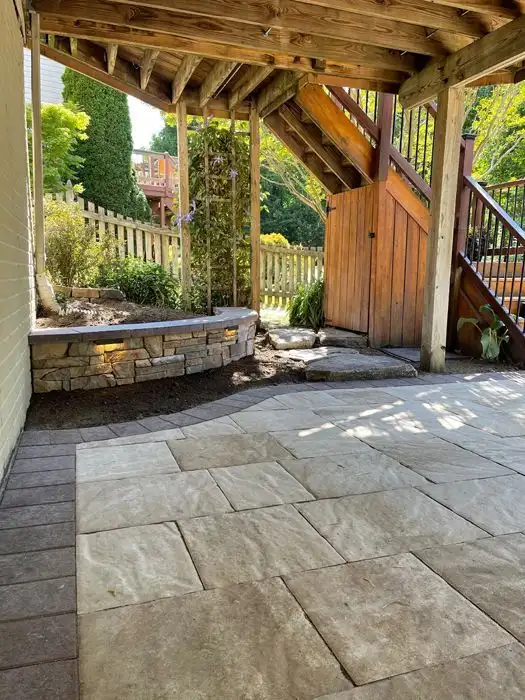
Reliable Paver Patio Designs for Families in Busy Rosedale Areas
Rosedale is a mix of commuters, young families, and folks who’ve been in their homes for decades. Most homeowners want spaces that are practical, durable, and easy to maintain.
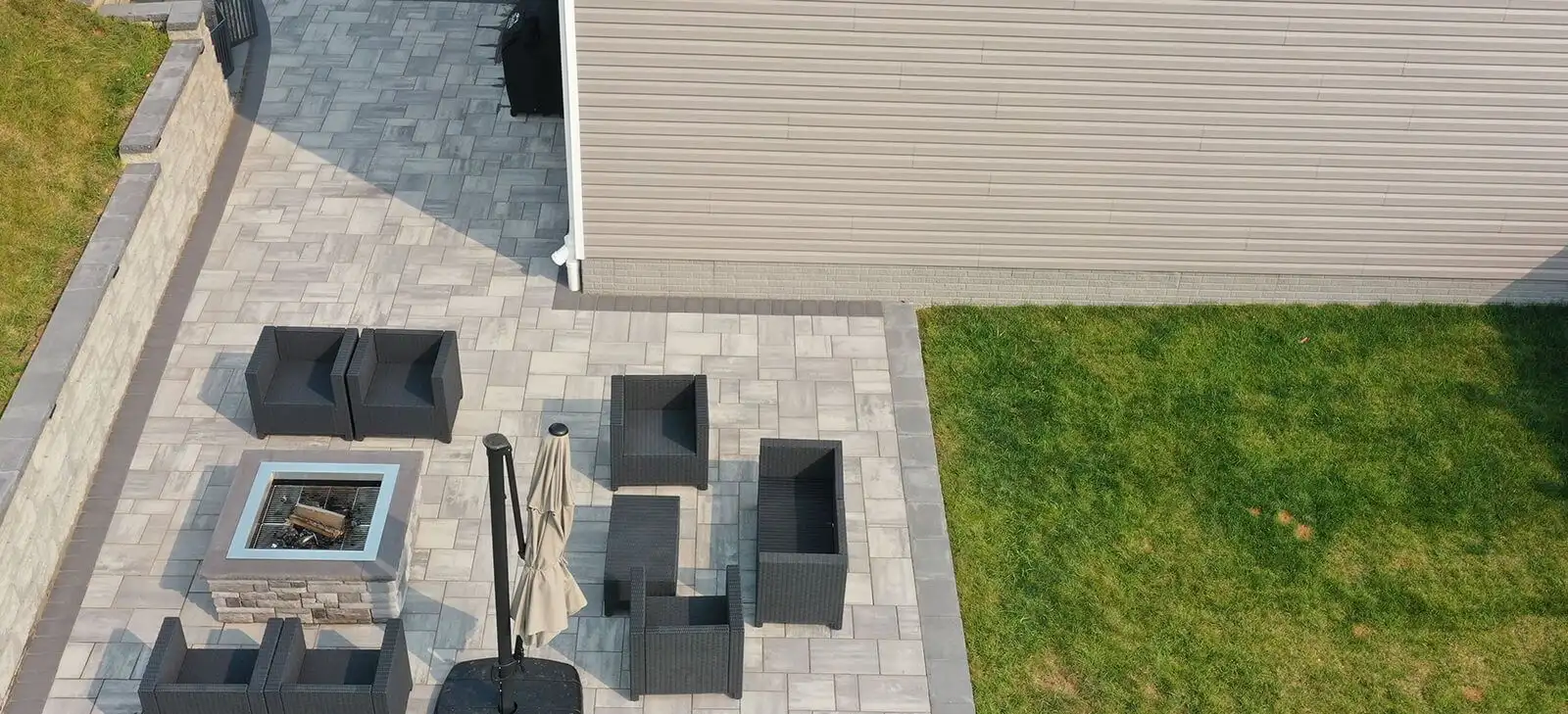
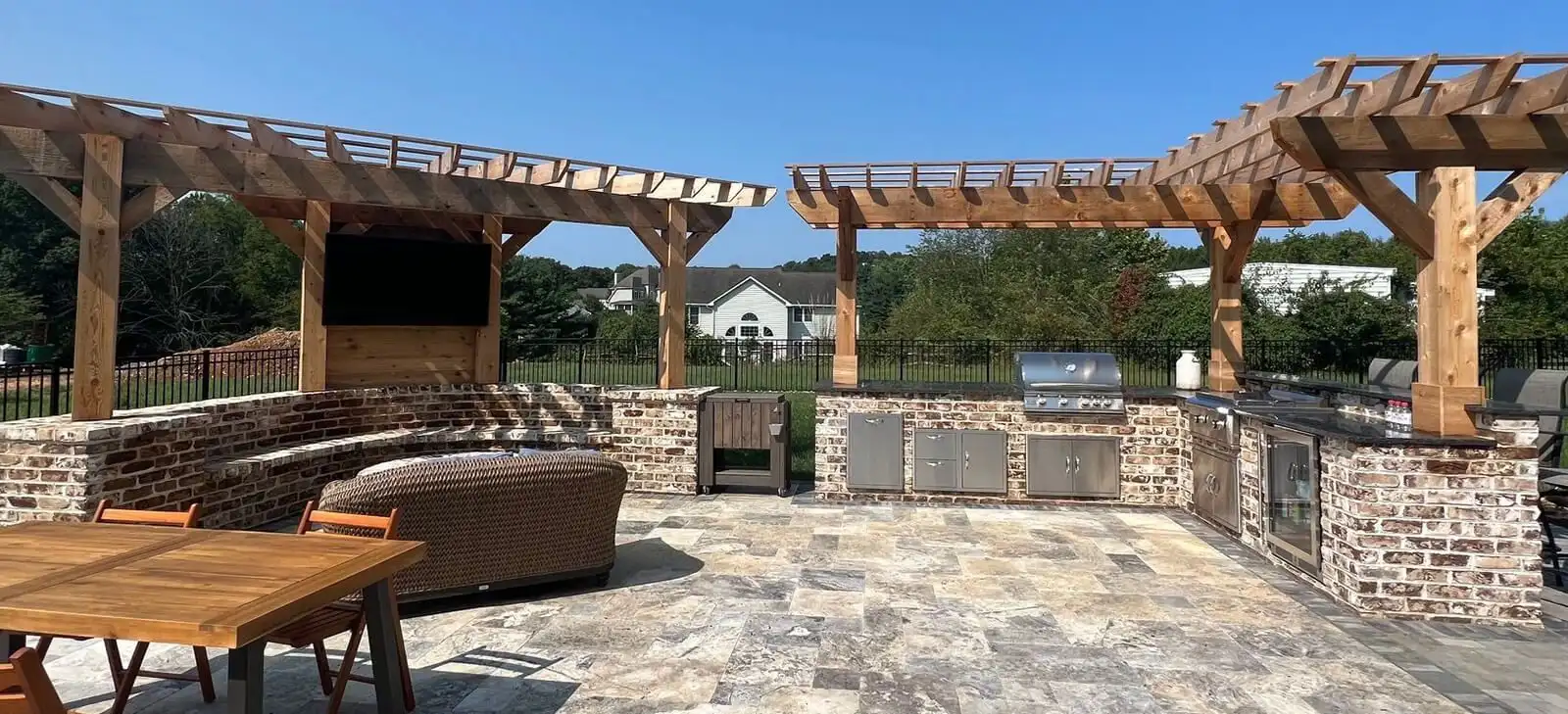
Some of the most common paver patio design layouts we create include:
• Kid-friendly sitting areas with safer edges
• Grilling zones tucked near the back door
• Walkways leading toward side driveways common near Pulaski Highway neighborhoods
• Straight, practical layouts that fit newer development lots
• Large gathering spaces for older homes with wider yards
Whatever the design, the goal is the same: something that stands up to the ground conditions Rosedale throws at it.
Why Rosedale Homeowners Look for Durability First
Around here, it’s not the daily wear that tests a patio—it’s the changing seasons and the unpredictable soil. Homeowners want a build that won’t crack, sink, or drift every time the temperature swings twenty degrees overnight.
People look for patio paving experts because:
• Winters cause expansion and contraction
• Fill soil shifts differently than clay
• New builds settle more than older ones
• Storms can change drainage patterns
• Soil pockets can soften without warning
Durability isn’t an option in Rosedale—it’s the bare minimum. Every patio has to be built with long-term stability in mind.
Build a Patio That Holds Up Through Rosedale Weather
If you’re ready to put something in your yard that won’t shift every winter, M.E.V. Outdoor Solutions LLC is ready to build it.
We know the soil here, we know how the freeze–thaw cycle works, and we build patios that stay level long after the first season.
Reach out today to get started—we’ll walk your yard, read the soil, and show you the approach that’ll hold up for years.