

Joppatowne's Premier Paver Patio Installation Experts

If you’ve lived in Joppatowne long enough, you already know how the ground behaves near the water. Folks call asking about patio paver installation in Joppatowne all the time, and the story’s usually the same—you put something in the yard, and before long it’s shifting, settling, or drifting just a hair after a good storm. That’s just how life by the Gunpowder River goes.
The soil stays a little softer, the moisture hangs around longer, and the ground likes to move when it wants to. That’s why building an outdoor paver patio here isn’t the same as doing one inland. It takes patience, the right preparation, and a builder who’s spent years working along these waterfront neighborhoods.
Here’s the thing: we’ve been working in Joppatowne since before most of the new docks were put in. We know the way the yards slope toward Taylor Creek, we know the difference between the soil near the marina side versus the homes tucked farther up Joppa Farm Road, and we know how to build patios that stay put even when the ground underneath them wants to do its own thing.
Why Waterfront Patios in Joppatowne Need a Different Kind of Prep
There’s no getting around it—the closer you live to the water, the more attention your patio needs at the ground level. The soil around Joppatowne Marina, Rumsey Island, and the creek-backed properties tends to stay damp well after the rain moves on. And when the soil doesn’t dry out fast, it doesn’t hold weight the same way. That’s why you’ll see older patios around here sinking on one corner, or pavers that look like they’re slowly walking toward the river.
That’s also why you don’t treat patio paver installation near me the same way in Joppatowne as you might in somewhere like Parkville or Towson. The base has to be deeper. The compaction has to be stronger. And the drainage has to be planned from the start, not added later when things start to shift.
We’ve seen it all around here—yards that slope straight to the water, sandy pockets that look stable but aren’t, and older soil that’s been washed out after thirty years of storms coming off the river. Every inch of that matters when you’re laying pavers.
How Moist Soil Changes the Way We Build Patios Along the Gunpowder
Most people don’t think about what’s under a patio. But a good patio paver contractor in Joppatowne has to start down low, where the soil has the most to say.
Here’s what we’ve learned after years of doing this:
• The base has to go deeper than most folks expect.
Waterfront soil needs extra thickness so the patio doesn’t creep or settle.
• Geogrid makes a big difference in certain parts of Joppatowne, especially near marshier edges where the ground sways more.
• Drainage channels are a must, not an option.
You want water moving under and away, not pooling and pushing.
• Compaction happens in multiple passes, not just one.
This keeps the whole patio tight and stable after storms.
This isn’t fancy marketing—it’s just the kind of work that keeps a patio from sinking a quarter inch every season. The water, the air, and the soil here all behave differently, so the patio must be built differently, too.
Common Joppatowne Backyard Setups We See All the Time
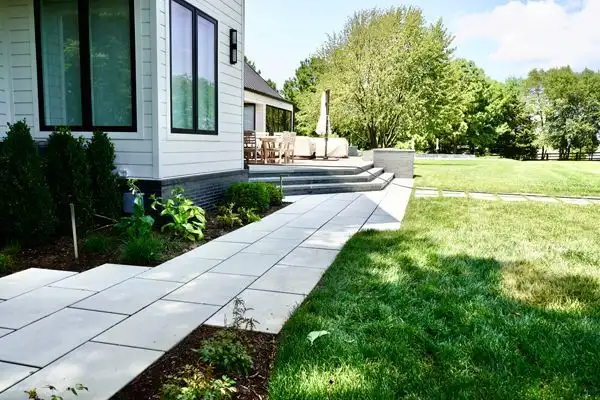
Because Joppatowne was built in waves over several decades, the backyards all have their own quirks. If you’re right off Bridge Drive, you probably have a yard that angles straight toward Taylor Creek. If you’re deeper into the older neighborhoods, you might have a walk-out basement and a backyard that dips down faster than you want.
A lot of homes around here fall into one of these setups:
Walk-out basements with drainage running toward the water
These need careful grading so the patio doesn’t funnel water straight toward the house.
Sloping yards pointing toward the river or creek
We create slight counter-grades and hidden drainage paths to manage runoff naturally.
Backyards near marsh-adjacent areas
These require reinforcement under the base to stop long-term movement.
Narrow yards with soft edges
These need tight compaction and stabilized borders so pavers don’t drift.
Every time we begin patio paver installation in Joppatowne, we look at the slope, the soil, and the way the yard drains after a hard rain. That’s what tells us how to build something that lasts.
How We Build Outdoor Paver Patios That Can Handle Waterfront Conditions
People ask us all the time how our patios stay put near the water. The answer is simple—at M.E.V. Outdoor Solutions LLC, we don’t rush it. You can’t rush a stable patio in Joppatowne.
Here’s the way we usually tackle it:
1. Strip the top layer of soft, moisture-heavy soil until we hit ground that’s compactable.
2. Lay down a thick base of crushed stone, packed in multiple layers.
3. Add geogrid reinforcement when the soil calls for it—usually in the softer pockets closer to Taylor Creek.
4. Grade the patio slightly away from the house and toward natural drainage or outlets we create.
5. Install edge restraints that won’t flex, even if the soil wants to.
6. Lay the pavers tight and even, locking them in for weather changes.
7. Double-check grading after compaction, because waterfront soil sometimes shifts during the process.
That’s how a patio paver installer near me should work in Joppatowne—slow, steady, and by the book.
Paver Patio Designs Inspired by Joppatowne’s Waterfront Lifestyle
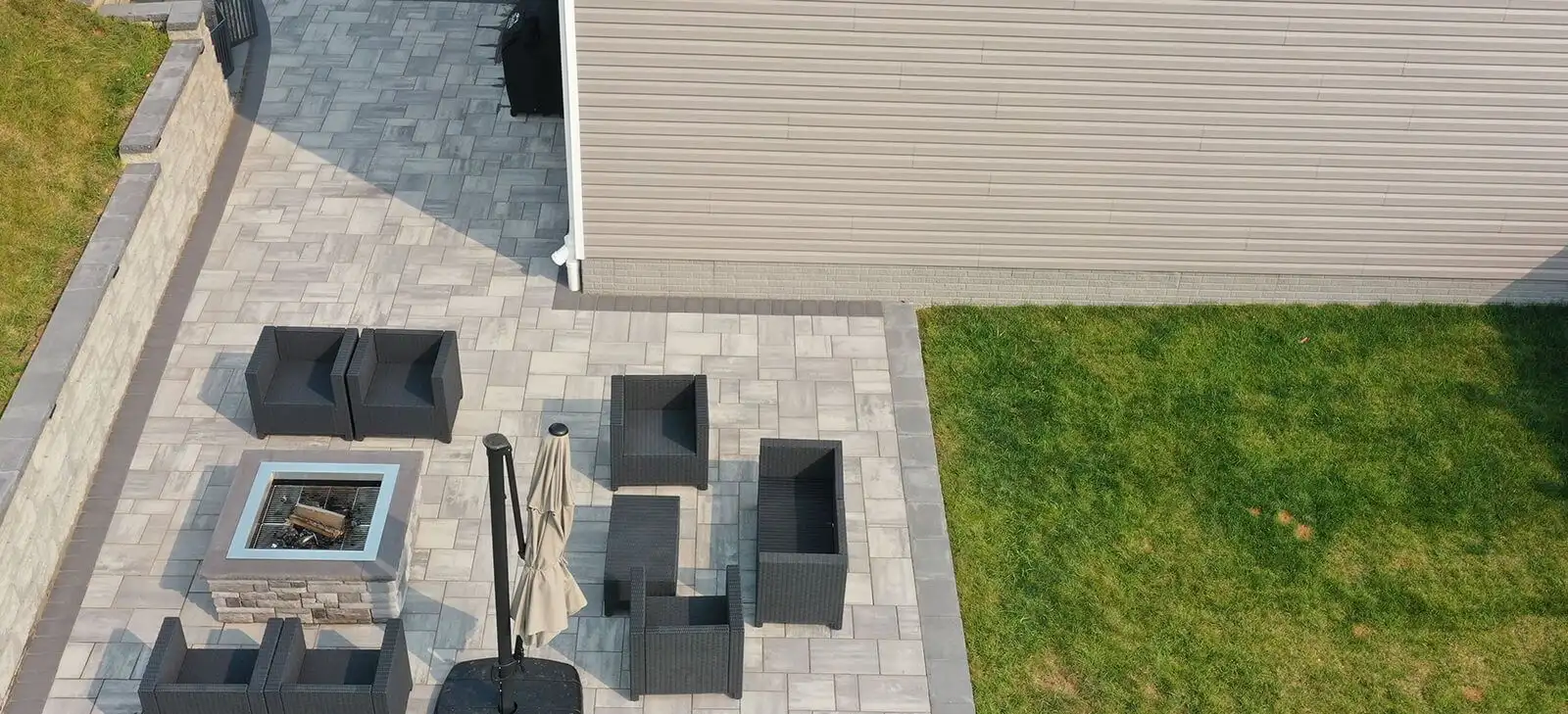
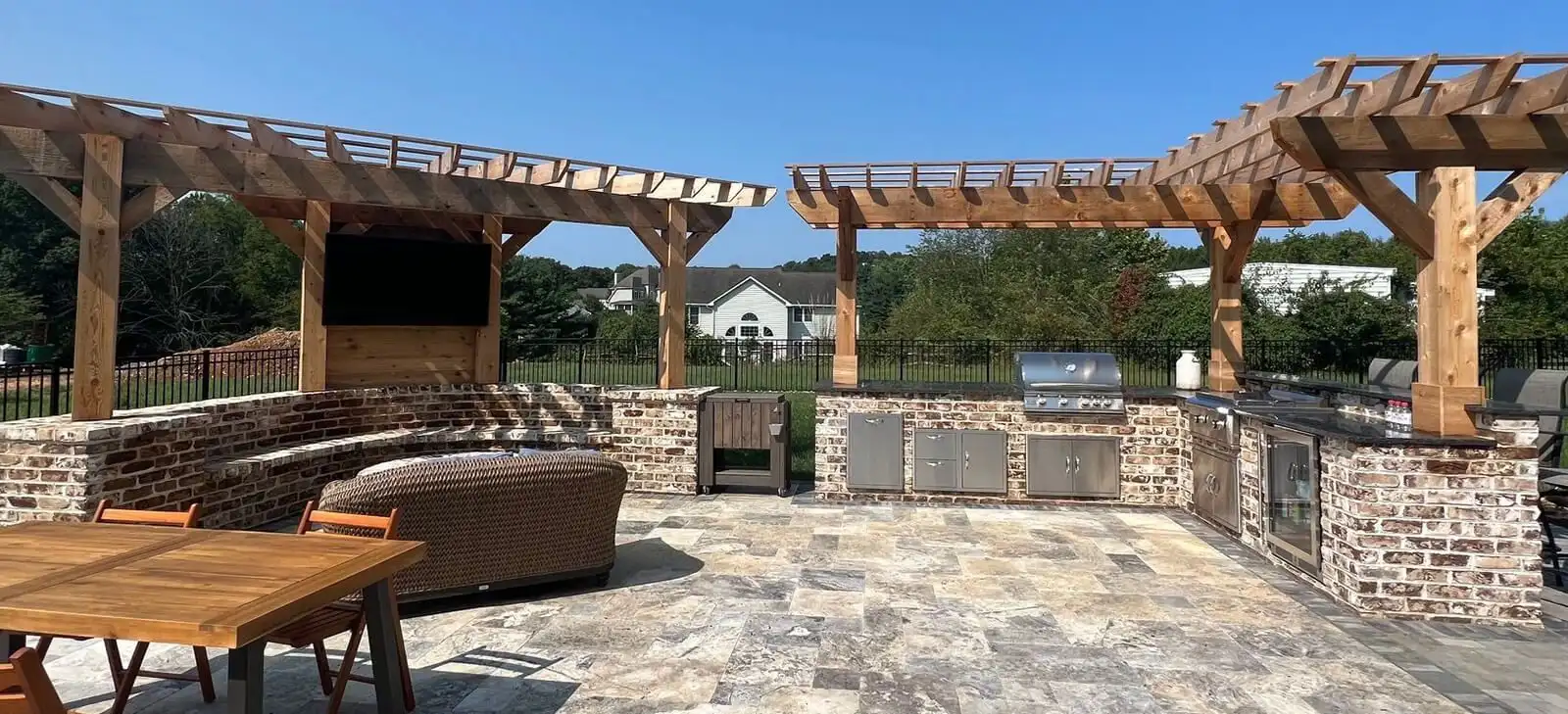
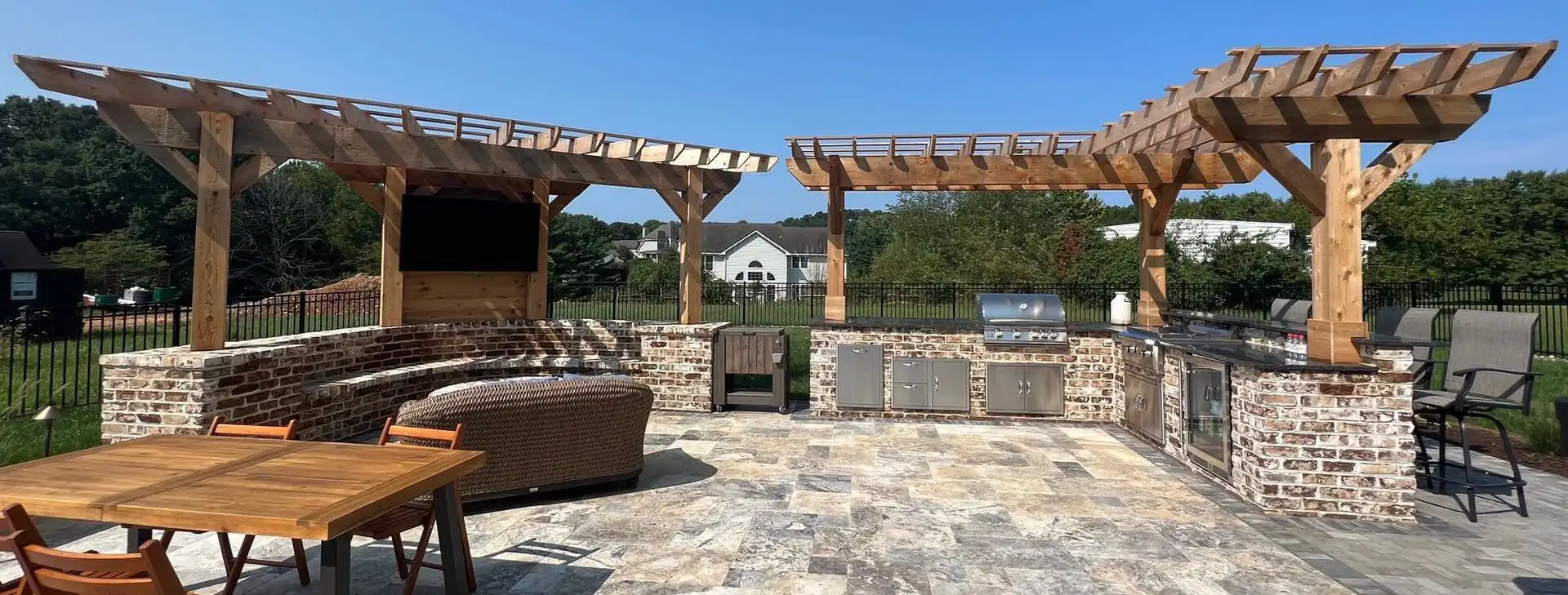
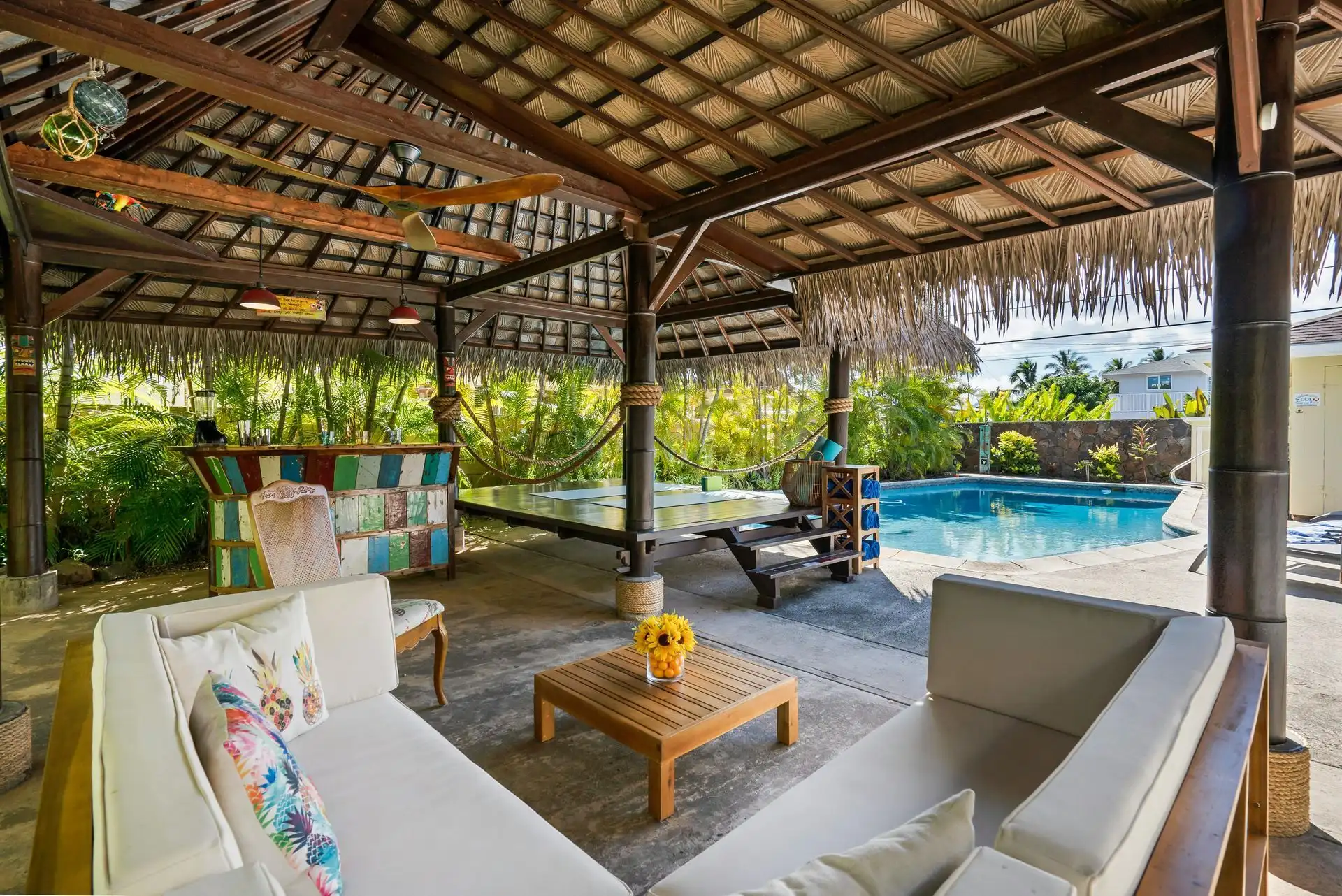
Most folks around here want their patios to feel like an extension of the water—not just a slab behind the house. When we design a paver patio for a property near the river, we think about wind, moisture, and the way people use their backyards here.
Some of the common paver patio design choices include:
• Curved edges that match the natural lines of the river
• Sitting walls that block some of the breeze that comes off the water
• Fire pits that sit lower to stay safe on windy nights
• Textured pavers that hold up better to moisture and algae
• Warm color blends that complement the river views
We’re paver patio builders in Joppatowne, so everything we design is based on what works here—not what you see in a catalog.
Why Joppatowne Homeowners Count on Us for Waterfront Patio Work
When you work near the water long enough, you learn the quirks: the way pavers shift after a nor’easter, how the soil feels after two days of tide-heavy rain, and how to keep everything locked down so it won’t move inch by inch.
Homeowners trust us because:
• We know how to prevent settling in wet soil
• We understand how river air affects paver color over time
• We build with thicker bases than most patios ever get
• We know the neighborhoods and soil types by memory
It’s not about being fancy—it’s about doing the job the right way.
Start Your Waterfront Patio Right
If you’re thinking about patio paver installation near me and you live anywhere in Joppatowne, the smartest step is getting someone who understands this soil and this water. A patio out here isn’t just a weekend project—it’s an investment that should hold steady for decades.
If you want a patio that stays level, drains cleanly, and looks good through storms, tides, and everything else the Gunpowder throws at us, we’re ready to help.